Support After a Funeral and Why Looking After Yourself Matters
During Demystifying Death Week, we’ve spoken openly about death, funerals, grief, planning ahead, and the importance of having honest conversations. But what happens after the funeral?
For many people, the days immediately after a funeral can feel strangely quiet.
The practical arrangements are complete, cards and flowers begin to slow down, and loved ones often return to their routines. Yet grief doesn’t work to a timetable.
For some, support from family and friends is enough. For others, grief can feel overwhelming, isolating, confusing, or exhausting. There is no “correct” way to grieve, and there is certainly no time limit on loss.
One of the most important things we want people to know is this:
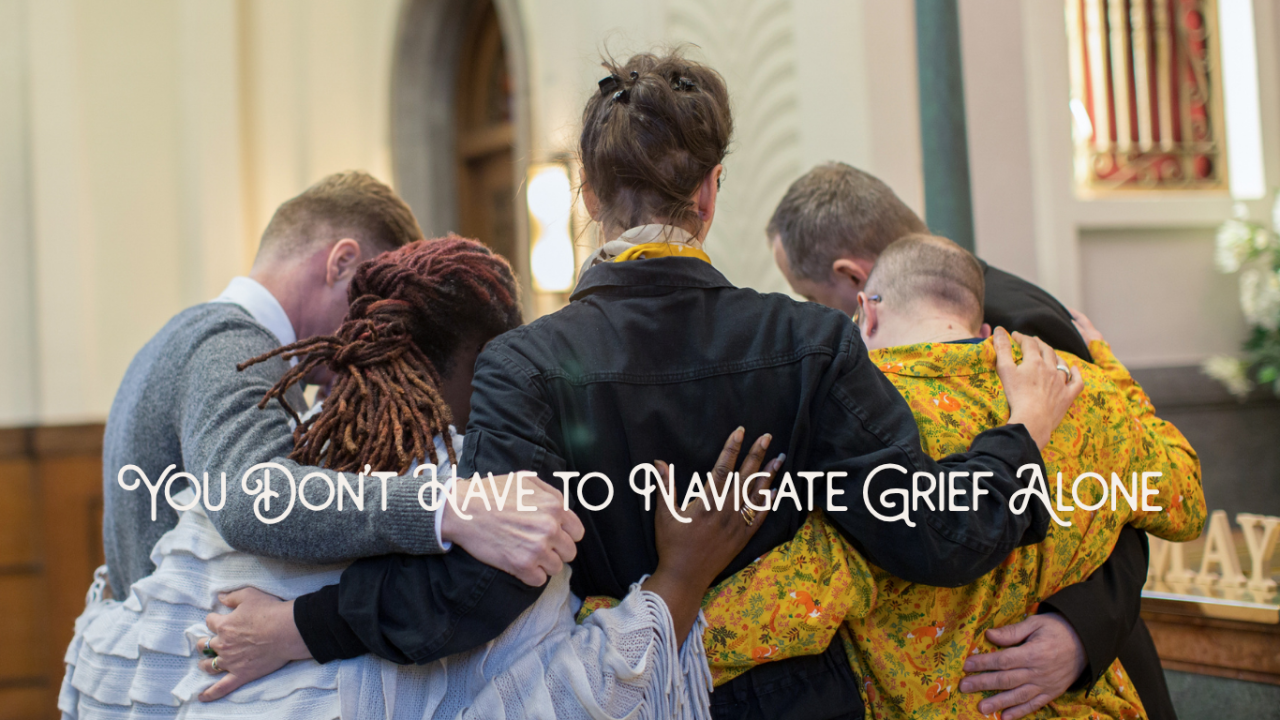
You do not have to carry grief on your own.
Looking After Yourself After Loss

Grief affects people emotionally, physically, and mentally. You may experience sadness, anger, anxiety, exhaustion, difficulty sleeping, or even moments of guilt for laughing or enjoying yourself again.
All of this can be normal.
Looking after yourself after a bereavement is not selfish. It is necessary.
That may mean:
• Taking time to rest
• Talking openly about how you feel
• Asking for help when things feel too heavy
• Accepting practical support from others
• Seeking professional support or counselling
• Connecting with people who understand what you’re experiencing
Sometimes simply being listened to can make a huge difference.
Support Is Available
As celebrants, our role is to support families through the ceremony itself, helping create something personal, meaningful, and reflective of the person who has died.
While we are not counsellors or grief specialists, we never want families to feel they have nowhere to turn afterwards.
That’s why we created our Support After the Funeral resource page, which brings together organisations and services that can offer help, guidance, listening support, bereavement counselling, mental health support, and specialist advice.
Whether someone has experienced:
• the loss of a parent,
• partner,
• child,
• friend,
• pregnancy loss,
• suicide bereavement,
• pet loss,
• or anticipatory grief,
there are compassionate organisations available to help.
You can access the resource here:
Support After the Funeral Resource Page
Reaching Out Is a Strength

Many people struggle to ask for support because they feel they should be “coping better” or worry about burdening others. But grief is not something you fail or succeed at.
Reaching out is not weakness. It is recognising that being human sometimes means needing support.
Even a small conversation can help someone feel less alone.
A Gentle Reminder

If someone you know is grieving:
• check in on them,
• say their loved one’s name,
• listen without trying to “fix” things,
• and remember that support is often needed long after the funeral ends.
And if you are grieving, please know there are people and organisations ready to listen when you need them.
You don’t have to navigate this alone.